Before Pink Rubber, an Edible Solution: The Delicious Early History of Pencil Erasers
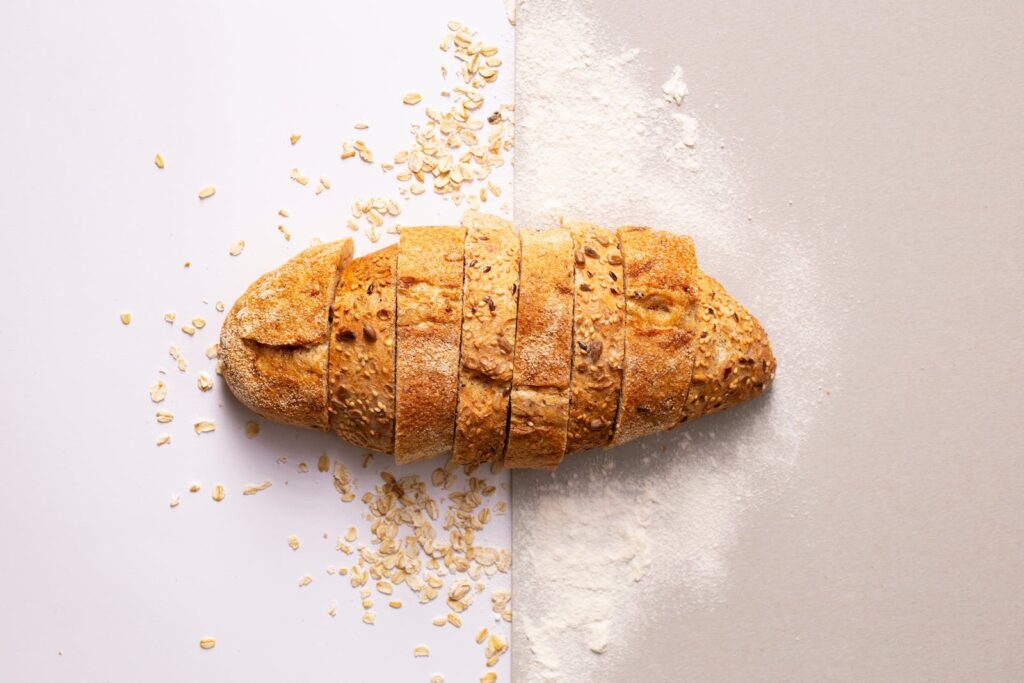
These days, few sights seem as innocuous as a freshly sharpened pencil poking from a child’s “Frozen” backpack, pink wedge of rubber eraser crowning its tip. Yet that handy little erasing appendage only became standard over the last century or so. For nearly 200 early years of pencils before erasers arrived, our ancestors relied on an entirely edible solution for correcting graphite writing errors – breadcrumbs!
The Era of Breadcrumb Erasers
While 16th century shepherds near England’s Lake District discovered pure graphite. It was ideal for encasing in handy sticks of wood, pencil engineers didn’t incorporate erasers until the 1860s. For generations, writers lacking our modern handheld undo options got creative when mistakes beckoned revision.
In a world predating rubber production, pencil users simply balled up bits of bread moistened slightly to optimal erasing texture. These improvised dough erasers worked nearly as effectively as modern pink wedges at clearing graphite smudges from parchment. The approach seemed obvious for versatile foodstuffs always near at hand.
Before industrialization, upper-crust writers presumably turned to fine wheat loaves for correcting important diplomatic treaties or handwritten literature. The era’s great poets likely found themselves vigorously rubbing breadcorner erasers over early lyric drafts scratched out with quills.
Yet remarkably, the rescue role of humble breadcrumbs in facilitating early written communication passed largely forgotten over centuries that followed.
The Rubber Eraser Revolution Rises
Erasers as we know them finally emerged from English chemist Joseph Priestley’s 1770. His scientific writings where he praised gum elastic (natural latex sap tapped from tropical trees). As the flexible, graphite-lifting substance he dubbed “rubber” found practical applications, Priestly noted:
“This material is excellently adapted to the purpose of wiping from paper the marks of black lead pencil.”
Indeed, rubber showed ideal qualities for pencil mark removal. The descriptive moniker replaced terms like gum elastic as these rubbery gum erasers became indispensable. Even today in England, all erasers are simply called “rubbers” thanks to this lasting etymological imprint.
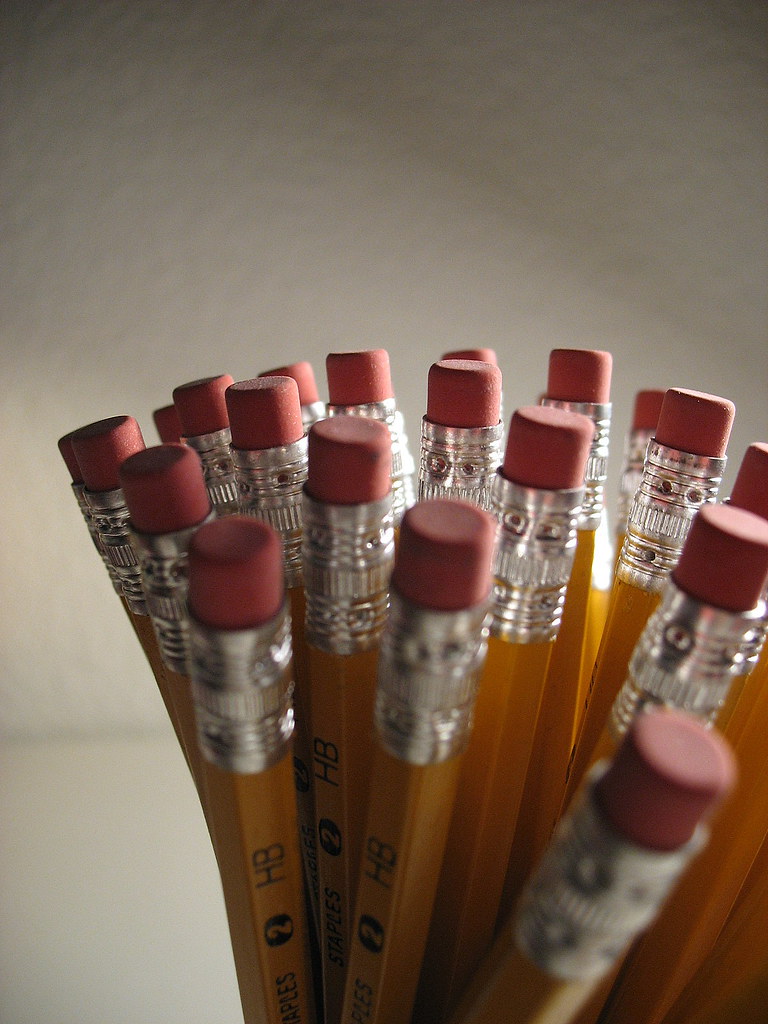
Within just decades, early pencil producers started integrating handy rectangle rubber eraser blocks into their wood-encased graphite writing instruments. These provided efficient one-stop correction without resorting to bread nibbling or moisture application. Our now-familiar eraser-tipped pencil was born!
From Bread to Vinyl: Erasers Still Evolve
The rubber eraser revolution proved unstoppable, though still took generations achieving dominance we now take for granted. Rubber remained a temperamental erasing ingredient until thermoset polymers like vinyl were molded into smooth, swept eraser wedges after 1910. The familiar style has secured pink erasers’ entrenchment for over a century since.
We owe much creativity and reflection from countless philosophers, scientists and writers over millennia. These such humble advances gradually improving written self-correction from antiquated breadcrumbs to clean modern erasers. Those bits of rubber and vinyl lift heavy lifting as writing’s collaborative partner. They helped in maintaining freethinking records unsullied by stubborn graphite marks of past musing.
Erasers prove that solution-finding invites inspiration when we welcome simplicity. While electron tunneling microscopes now probe quantum frontiers, tomorrow’s transformative ideas still often germinate in minds furiously rubbing breadcrumb erasers down to nubs. When brilliance again strikes, though we’ve long forsaken error-prone quills and inky nib-dips of antiquity, smooth unassuming erasers will await subtly enabling the next breakthrough.
So while we rarely ponder the rubbing wedges capping our pencils during hurried note-taking today, spare a quick glance of gratitude next time your trusty eraser effortlessly undoes some momentary lapse in concentration. Millennia of wisdom remind invention thrives through patience with ourselves as much as persistence fixing outward problems.