
This ruler gave the death penalty to coffee drinkers
Coffee, is an aromatic, eye-opening beverage that millions of people worldwide can’t seem to start their day without. Imagine being ruled by a leader who believed that coffee was a threat to public morality. So much so, that he threatened to behead anyone caught drinking it publicly. Well, it happened in Yemen in the 16th century, under the reign of Sultan Murad IV. He banned public coffee consumption and declared that anyone caught drinking it would lose their head.
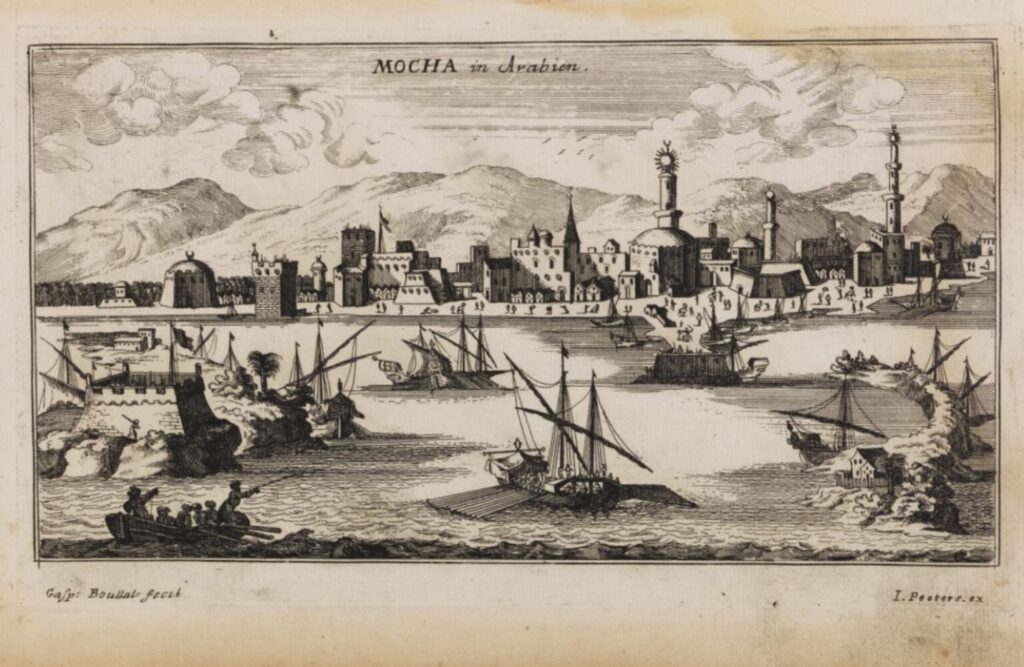
Coffee origin
Coffee has been an integral part of Yemeni culture for centuries. Its origins trace back to the port city of Mocha. Yemeni traders began exporting coffee to other parts of the world. The beverage eventually became popular in Europe in the 17th century. However, in the early 16th century, Sultan Murad IV believed that coffee was a threat to public morality and banned it.

The Ban on Subversion
The ban was not to target coffee itself, but rather the entire culture surrounding the consumption of coffee. The prevailing belief, shared by Murad IV and many others, was that coffee houses had the potential to undermine established societal standards. They also thought coffee consumption promoted risky ideas or language, and even directly instigate rebellious schemes. This was the reason for instating the death penalty for drinking coffee.
The Backlash
The ban on coffee caused uproar among the Yemeni people. They saw it as an attack on their culture and way of life. Coffee was a part of their everyday life, and, understandably, they were not going to give it up without a fight. The public continued to drink coffee in secret. They hid in underground coffee houses and taking precautions to avoid getting caught. They became experts at smuggling coffee into the country and hiding it from the authorities.
The death penalty for drinking coffee in Yemen was short-lived, lasting only a few years. Sultan Murad’s successor, recognized the economic potential of coffee and lifted the ban. Yemen once again became a hub for coffee production and trade.

Subversive Substance
Yemen was not the only country to ban coffee. In the 17th century, several European countries, including England, Sweden, and Prussia, outlawed coffee. The reasons for the bans varied. Some authorities claiming that coffee was a dangerous and subversive substance that led to sedition, while others saw it as a luxury that was not in keeping with their country’s values.
Yemeni Coffee
The banning of coffee didn’t deter the Yemeni people, who continued to cherish their beloved beverage. Today, Yemen remains an essential producer of coffee, with coffee production being one of its main sources of income. Coffee enthusiasts highly seek Yemeni coffee for its unique flavor profile and long history. As a result, premium Yemeni coffee beans rank among the most expensive coffees worldwide.

Part of Daily Sustenance
Coffee has become a significant part of daily life worldwide. It is an essential component of our daily routine, from being the perfect pick-me-up in the morning to a casual hangout with friends. It is a social lubricant that brings people together, and its effects on the economy are enormous. The coffee industry employs millions of people worldwide, and coffee is one of the most traded commodities in the world.
Scientists credit coffee with several health benefits, including improving cognitive function, reducing the risk of type 2 diabetes, and lowering the risk of Alzheimer’s disease. People worldwide enjoy coffee, consuming billions of cups every day.