Do you remember floppy disks? Those big, squarish items that your parents probably used to save their work on computers? While they might seem archaic now, floppy disks were at the heart of a revolution that had little to do with storing your school assignments. These disks became a battleground for one of the first digital standoffs: the battle against computer viruses. The culprit of our tale? The first PC virus known as “Brain.”
Brain came to life in 1986, not in a secretive, dimly lit hacker’s lair, but in a computer store in Lahore, Pakistan. Two brothers, Basit and Amjad Farooq Alvi, created this technological Frankenstein to protect their medical software from piracy. However, their creation soon took on a life of its own, spreading far beyond their customer base.
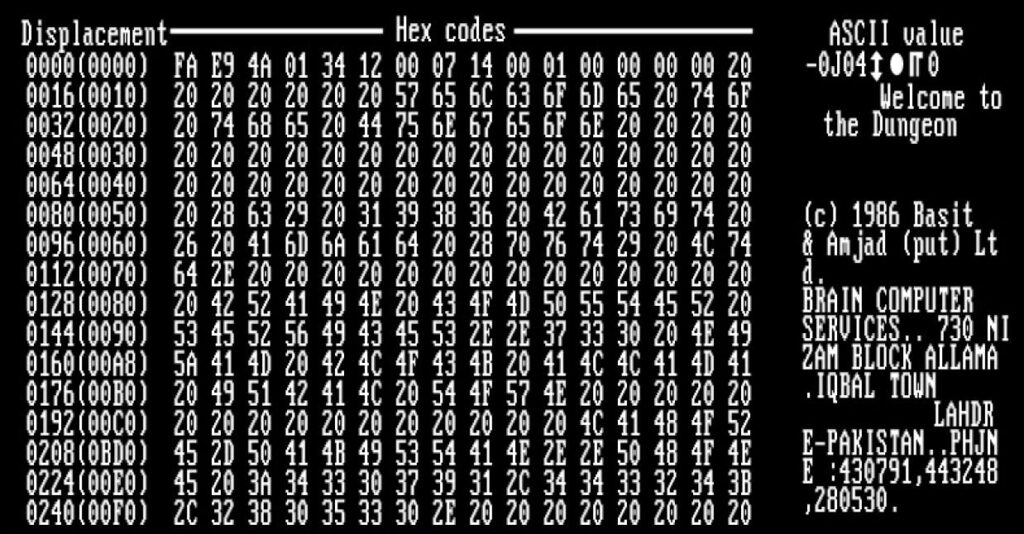
Here’s the trick: Brain operated by taking over the boot sector of a floppy disk – that crucial area read by a computer’s BIOS (Basic Input/Output System) when first booting up. Once it gained control, Brain copied itself onto the boot sector, passing itself onto any subsequent floppy disks used on the infected computer. This ingenious yet troublesome ability made Brain a pioneer, one of the first self-replicating PC viruses.
What really distinguished Brain, though, was its subtlety. Dubbed a ‘stealth’ virus, it could play hide-and-seek with the best of the antivirus software of the time. It did so by mimicking the BIOS calls used to read the boot sector of a disk, making it appear as if everything was perfectly normal. This clever disguise allowed Brain to multiply and spread, largely undetected.
The consequences of Brain were significant, to say the least. As it wormed its way through floppy disks worldwide, it caused an uproar, leading to damaged computer systems and lost data. The silver lining? The chaos triggered the development of new antivirus software and highlighted the importance of data backup and disaster recovery.
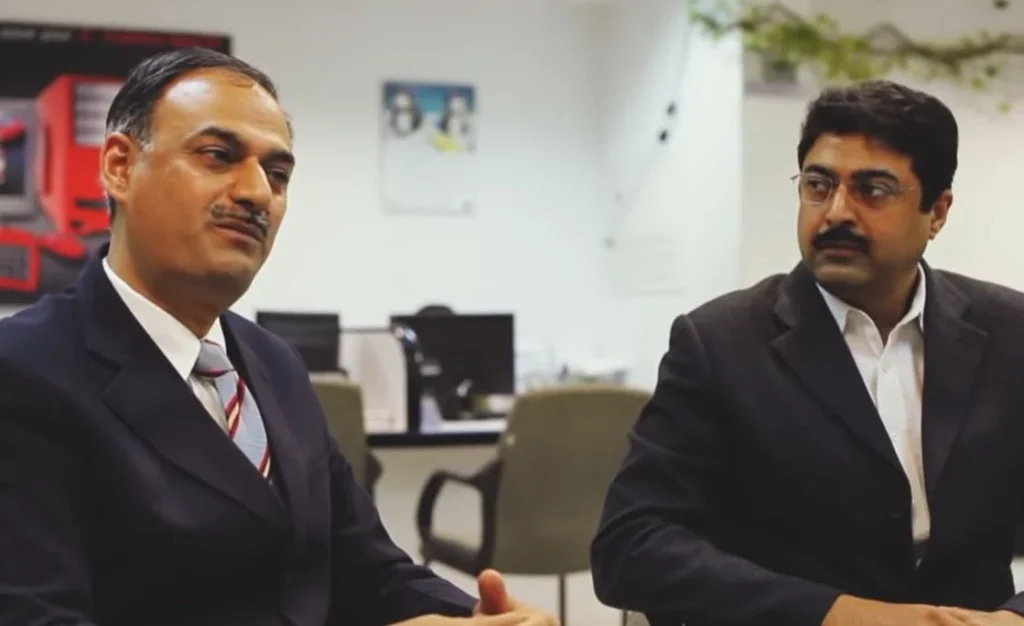
But, don’t get too caught up in the villainy of Brain. This story comes with its own delicious irony. The Alvi brothers, having wrought digital havoc, later pivoted to create and sell antivirus software. An interesting change of heart, wouldn’t you say?
Today, Brain serves as a fascinating tale from the annals of digital history, a reminder of the ever-evolving threat landscape. It underscores the need for constant vigilance and protection of our digital frontiers. As we move further into an era dominated by technology, this lesson is more relevant than ever.
In the end, the first PC Virus, Brain, was a wake-up call to the world about the dangers lurking in the digital domain. As we swipe through apps on our smartphones or download attachments from emails, it’s important to remember Brain. This quirky bit of code, born in a computer store in Lahore, forever changed how we think about computer security.
So, let’s raise a toast to Brain, the original digital outlaw. It may have caused chaos and confusion, but it also spurred us on to create stronger defenses and safer digital spaces. And for that, we owe it a curious nod of gratitude.
📈😲Additional Facts
$4.5 Billion
This is how much US households lose each year because of computer viruses and spyware.
6,000+
Approximately 6,000+ computer viruses are released every MONTH.
$38.5 Billion
in damages were caused by the virus called MyDoom. This is the most expensive computer virus of all time. It was released in 2004 and infected millions of computers and is still in the wild today.