For Fredric Baur, creating the perfect potato crisp wasn’t just his vocation – it became his eternity. As the inventor entombed in his ingenious Pringles can design could attest, obsession with one’s work can follow us anywhere. Even the grave.
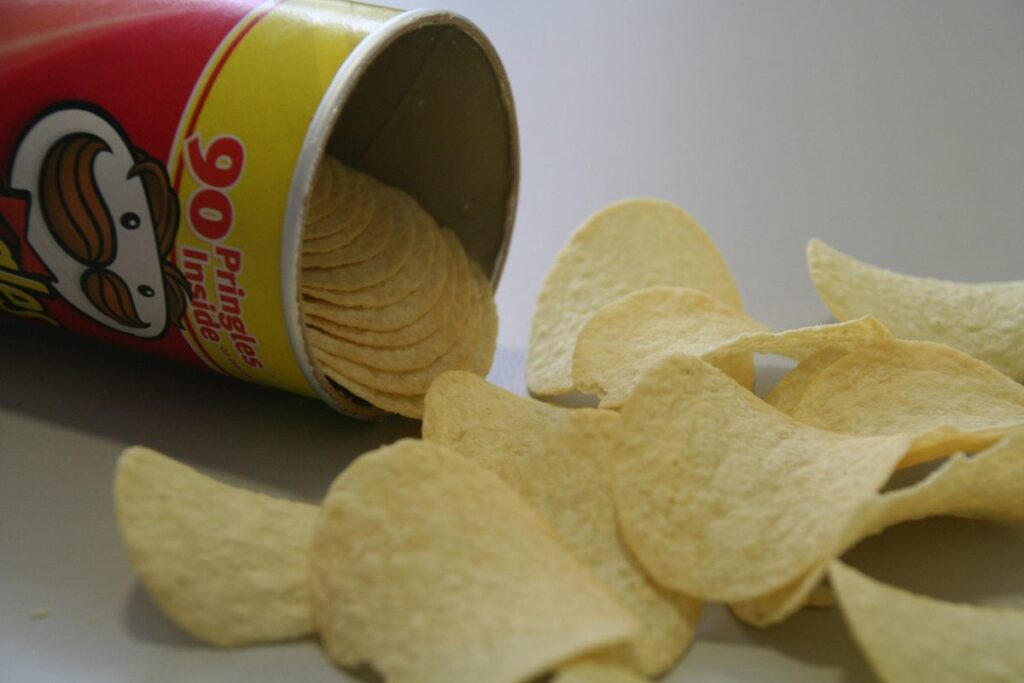
In the 1960s, Baur worked as a chemist for Procter & Gamble, where he helped revolutionize snack storage and enjoyment. By stacking curved chips neatly in a slender tube, Baur’s can enduringly transformed potato crisp packaging and consumption.
His brilliant concept both honored and burdened this visionary long after retiring from P&G. In life, Baur’s modest ambivalence towards his smash hit invention puzzled colleagues. Yet in the Pringle’s creator’s surprising death wishes, his special professional pride at last shone through.
One Last Innovation
When Baur passed away in 2008, his children knew precisely how to honor his eccentric burial request – by actually laying his mortal remains to rest in his famed Pringles container’s crispy embrace.
“My siblings and I briefly debated what flavor to use,” son Larry Baur later recounted. “But I said, ‘Look, we need to use the original.'”
So Baur took pride of place center stage within an iconic can of Original Pringles – his deathless achievement holding more flavor than spuds alone for once. Some ashes even seasoned the chips themselves, while the rest reposed in a traditional urn hitching a ride inside that immortal tube.
A Life Well Lived Through Work
By literally pushing the envelope of snack technology then pushing the envelope of eccentric burials after life’s close, Frederic Baur, the Pringles creator, followed his passions to the end. In his understated way, Baur transformed the world with his work more than most realize.
And with his dying wish honoring his legacy via the vessel of his creation, Baur proved professional dedication and personal identity can fuse into something greater still. Not only did this lead to snacks stacked neatly for shipping, but also to stacking chips around cremains neatly for an odd yet charming memorial.
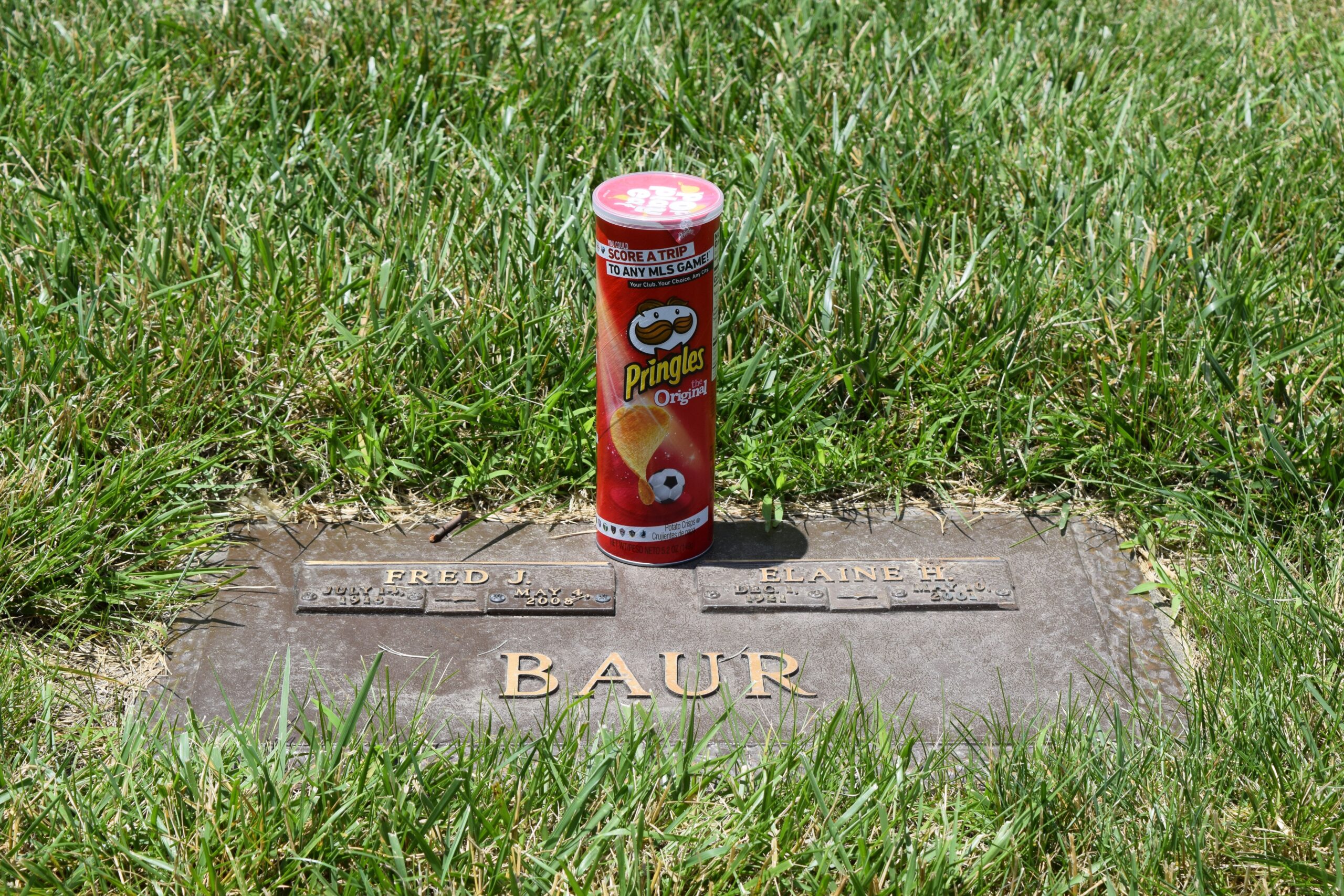
So here’s to Frederic and his final resting place that epitomizes finding bliss through following one’s bliss. May we all taste such sweet innovation through dedicating ourselves so fully and joyously to meaningful work that it merits such everlasting reverence on earth as in our hearts. Even from beyond the grave inside a Pringles can.