THE TRIBE WITH MYSTERIOUS ANCIENT DNA
Buried within the genes of modern Melanesians, scientists recently uncovered clues of an extinct human relative lost to history. Studying their DNA reveals traces of surprising ancestry beyond the Neanderthal and Denisovan ancestors scientists expected. What does this genetic puzzle piece tell us about the intricate breeding between ancient human groups? And how did such prehistoric partnerships provide advantages enabling the success of tribes migrating to new worlds?
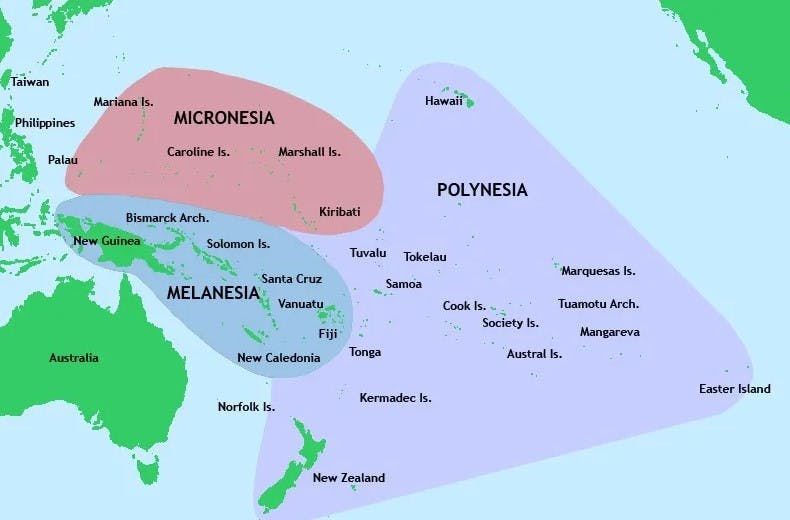
MELANESIANS: UNIQUE ANCIENT DNA INHERITANCE
Spanning Pacific islands northeast of Australia today, Melanesian people retain unusually high amounts of DNA from extinct cousin species like Neanderthals and Denisovans. Genetics indicate their ancestors intermixed while venturing through Asia to remote Oceania long ago. Useful adopted genes persisted providing ongoing benefits to deal with strange new environments.
Specifically, researchers anticipated finding genetic fragments passed down from resourceful Denisovans and Neanderthals. These predecessors occupied lands from Siberia to Europe ages before modern human migrants arrived from Africa. By intermixing, newcomers better adapted towards unfamiliar diseases, climates and food sources by inheriting helpful traits. Gradually while adopting their toolmaking techniques and regional wisdom, our direct ancestors absorbed the older groups into the wider gene pool before witnessing their extinction.
Yet fresh genetic examination surprisingly hints at another player hidden in the ancestral melting pot who contributed DNA enduring inside Melanesians today.
MYSTERIOUS DNA SIGNATURES EMERGE
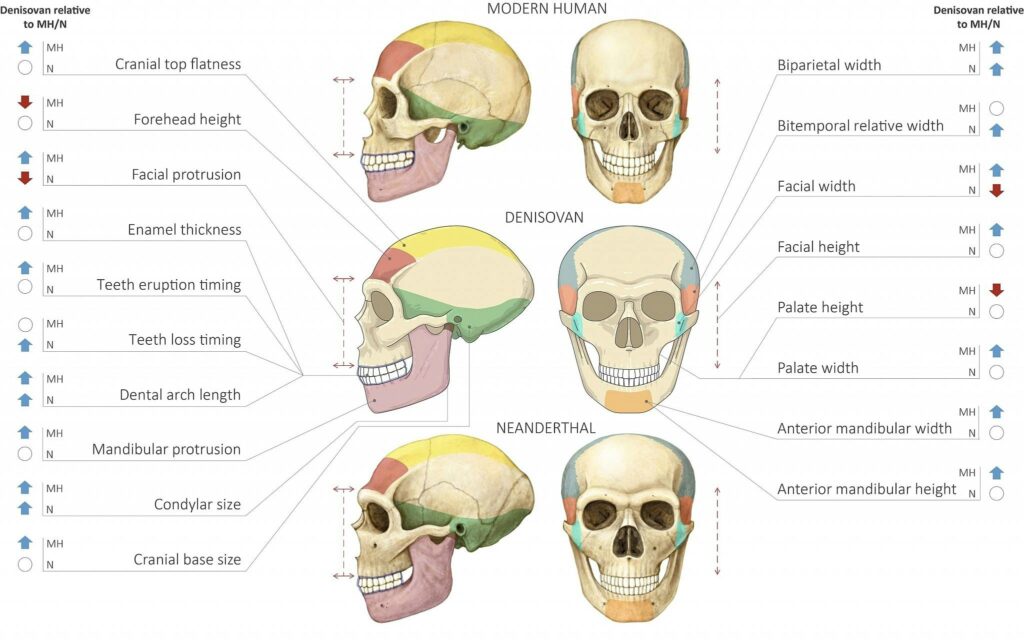
Seeking to trace archaic footprints within modern Melanesian genetics, scientists Ryan Bohlender and Evan Eichler tested samples against known Denisovan and Neanderthal DNA blueprints. Shockingly, two segments on particular chromosomes matched neither existing database. Still, the scales of these differences fit predictions from ancient human interbreeding long ago.
Obviously distinct, the unexplained DNA stretches spanned lengths thousands of letters long rather than lone mutated letter typos. Such expansive mutations imply greater impact on biological function than tiny alterations. Also the concentration levels clearly confirmed these arrived through ancestral breeding beyond recent timing. Manifest was a cohesive, fertile inheritance predating migration waves bringing most ancestors into the region.
While awaiting more analysis before drawing conclusions, few explanations make sense beyond ancestry including mystery human relatives additionally contributing to Melanesian tribal genomes. Or perhaps some remote splinter group became isolated from other Denisovans/Neanderthals over generations. Either way, these genes expanding knowledge about our ancestry represent a tantalizing clue towards a “lost tribe” awaiting their full place in history. For we increasingly realize numerous forgotten predecessors once walked the landscape before science preserved their bones for us to uncover.
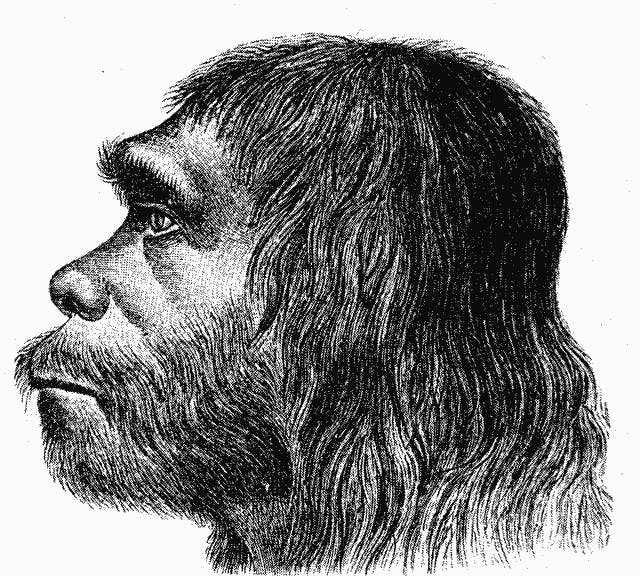
GHOSTLY GLIMPSES – WHAT THE ODD DNA REVEALS
Bohlender and Eichler pinpointed two distinctive DNA chunks on particular chromosomes tracing neither Neanderthals or Denisovans. Spanning extensive lengths rather than lone typo letter swaps, such expanded mutations carry heavier impacts on biological function.
Clearly concentrated from ancestral inheritance rather than recent arrival, these genetic bundles occur frequently throughout modern Melanesian groups. Showing signals of selective benefits over time, the archaic genes perhaps provided some advantage in regional survival success. Though what specifically remains speculative – whether boosting immunity, metabolism or cellular activity as clues suggest, the donations appear adaptive not random.
While the team excitedly extends research towards identifying the donor, truth may remain mirky if indeed no skeletal confirmation ever surfaces. Yet the heritage nonetheless expands perspectives on humankind’s shared crossroads where ancestral tree branches intersected before dividing again. For only in retrospect do we recognize how extensively tribe once bred with tribe, making today’s worldwide genetic fusion possible.
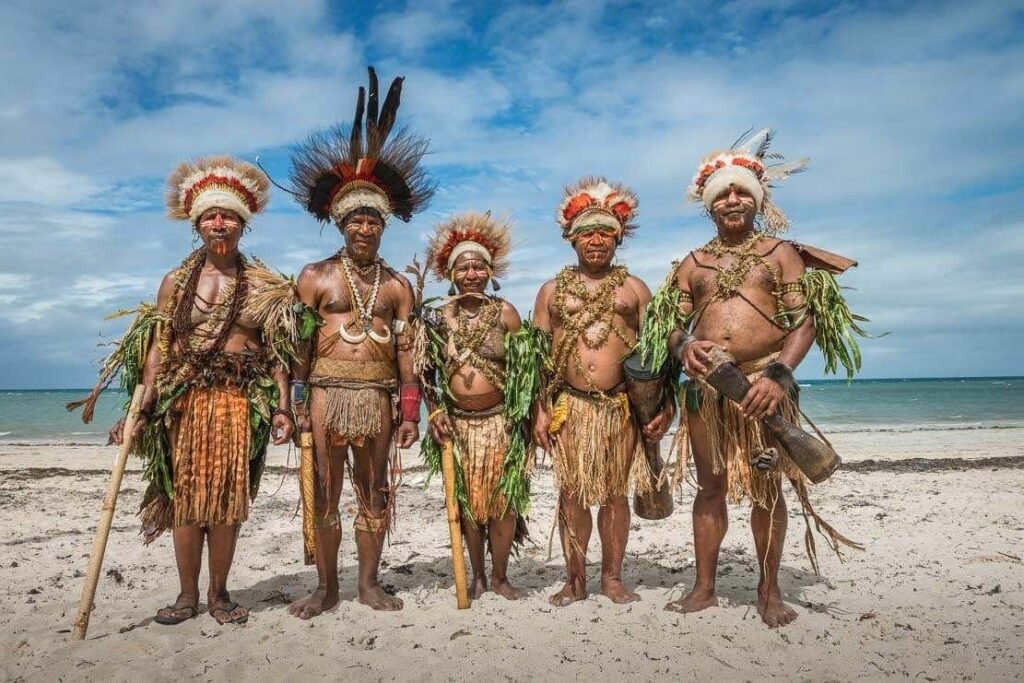
RELEVANCE OF THE MYSTERY MIXTURE
Easy to dismiss ancient intermixing as mere historical curiosity, such dynamics in fact bred strengths enabling human migration across Earth through hybrid vigor. Harmful diseases and climate hardship thwarted isolated bands attempting to colonize new continents. But combinations of beneficial genes from different groups empowered greater resilience in offspring.
We see it today in Sherpa people and Tibetans concentrated with protective mutations preventing altitude sickness inherited from archaic Denisovans. Similarly, the baffling DNA signature pervading Melanesian genetics exhibits selective enrichment over generations for adapting locally. Traits crucial to survival commonly arise from mergers between earlier groups – made possible by setting prejudice aside.
In truth, our present era’s fused diversity traces back to the collaborative determination central to humanity’s prehistoric story – forged more through genetic sharing than “purity.” Perhaps these latest genetic ghosts reawaken such unifying perspective about fluid ancestral trees versus rigid racial divisions. For DNA remembers cooperative trials predating the empty concept of mixing as “pollution.” Our shared bonds of survival indeed run deeper than apparent differences dividing tribes today or any eras past.