The Buzz About Mad Honey: Nature’s Intoxicating Nectar
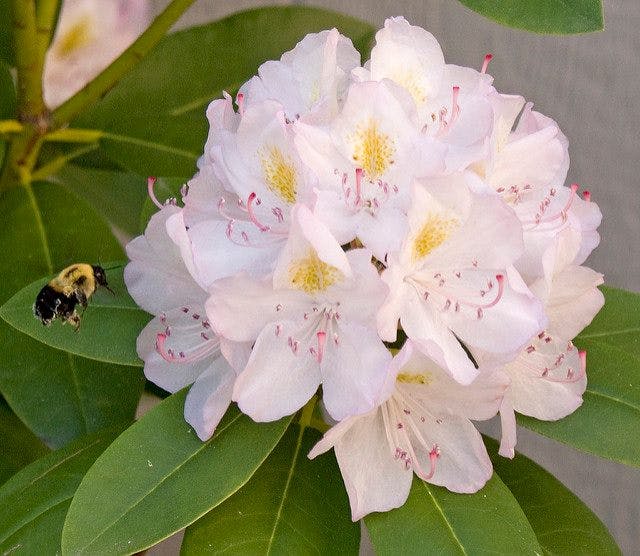
In the remote mountains of Turkey and Nepal, there’s a buzz in the air. It’s not your average bee activity, though. These bees create a unique kind of honey – a honey so potent it’s earned the nickname “Mad Honey.” Yes, you heard it right. The bees feed on the pollen of certain rhododendron flowers and give us a product that can be both sweet and intoxicating.
A History of Madness: From Ancient Greece to Modern Times
As fascinating as it is potent, the story of Mad Honey dates back to ancient times. This unique honey was first mentioned by the Greek writer Xenophon in 401 B.C., when a company of Greek soldiers stumbled upon the honey while passing through Turkey. After consuming the honey, they experienced a flurry of troubling symptoms including vomiting, disorientation, and an inability to stand. Despite the unpleasant effects, they were miraculously fine the next day.
Fast forward to 67 B.C., the honey was reportedly used as a weapon of mass destruction against the invading army of Pompey the Great. The locals laid out mad honeycombs along the army’s marching route, the soldiers indulged, and soon after fell into a daze, easy prey for the locals to defeat.
The Science Behind the Madness: Grayanotoxins and Bees
Fast-forwarding to today, the production of Mad Honey is centered around Turkey and Nepal. The Turkish version, known as “deli bal,” and the Nepali version called “rhododendron honey,” is a byproduct of bees feasting on the nectar of the Rhododendron luteum and Rhododendron ponticum flowers. The bees, quite innocently, collect the grayanotoxin-laden nectar from these flowers and incorporate it into their honey. It is this naturally occurring neurotoxin that gives Mad Honey its characteristic head-spinning punch.
The Look and Feel of Mad Honey: A Sensory Experience
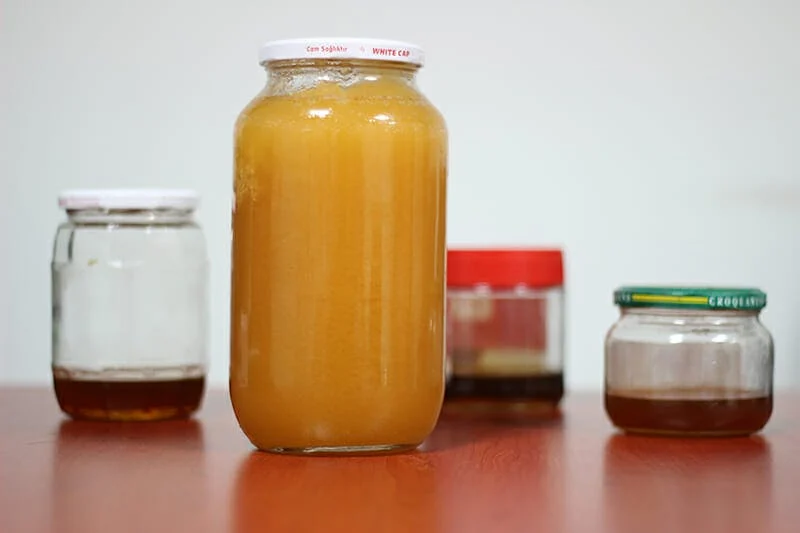
What does Mad Honey look like, you may ask? Well, it has a distinctive reddish tint and a slightly bitter taste, contrasting with the sweetness we usually associate with honey. Consuming it can lead to a variety of experiences, ranging from mild light-headedness and hallucinations to low blood pressure, irregular heartbeat, and, in extreme cases, unconsciousness. Thankfully, there have been no modern deaths attributed to mad honey consumption.
The Perils and Profits of Harvesting Mad Honey
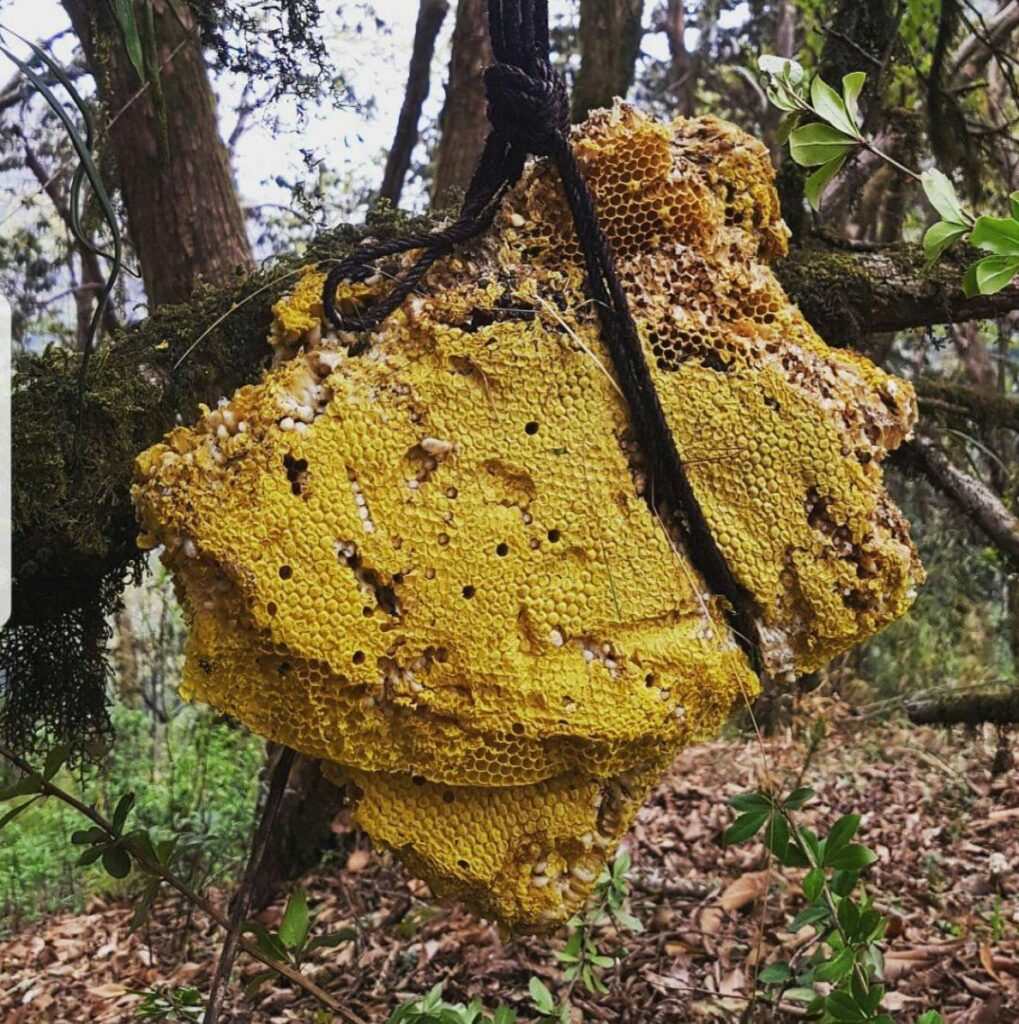
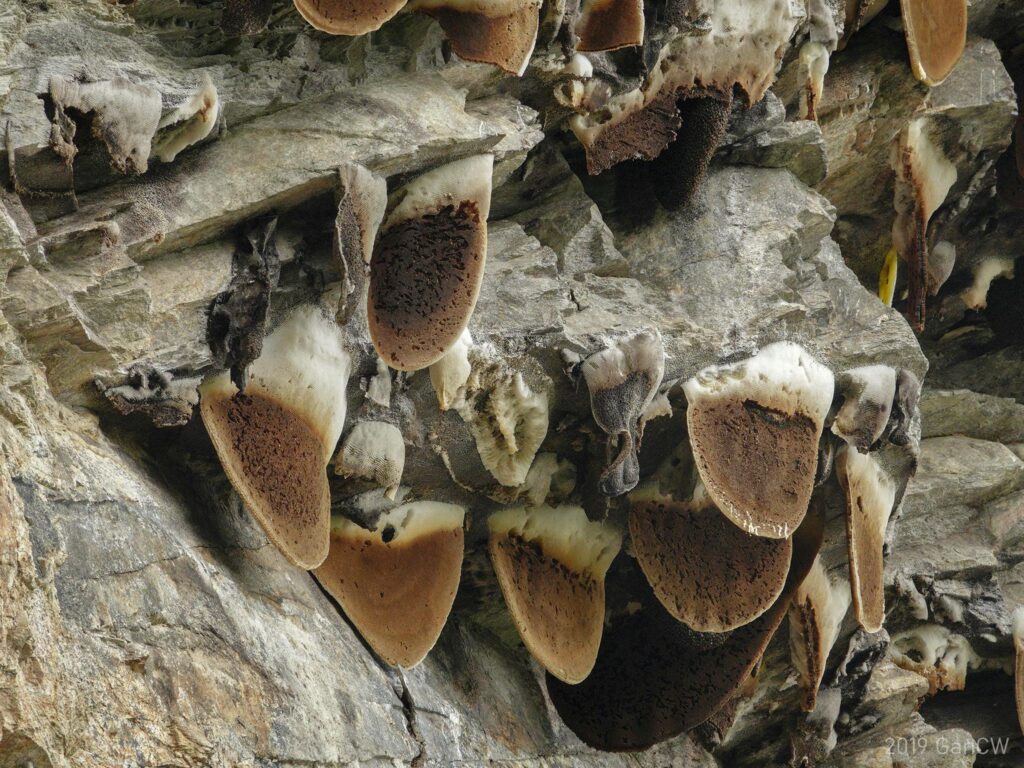
Even the harvesting process is quite a spectacle. In Nepal, honey hunters are known to scale perilous vertical cliffs while braving stings from enormous bees to collect this unique honey. It’s a high-risk, high-reward kind of pursuit, but the returns are definitely worth it for these brave harvesters.
Mad Honey in Modern Medicine: A Delicate Balance
Today, Mad Honey is not just seen as a psychedelic substance, it’s also a valuable commodity in traditional medicine. In Turkey and Nepal, it’s been used to treat hypertension, and there are claims that it serves as a natural energy booster and even an alternative to Viagra. As a result, this enigmatic honey has fetched high prices on the black market, selling for up to $80 per pound in some Asian countries.
However, while Mad Honey’s high price and curious effects may be intriguing, caution is advised. Its consumption is a delicate balancing act, and overindulgence can lead to some not-so-pleasant experiences. Therefore, if you ever find yourself in Turkey or Nepal, and a jar of Mad Honey catches your eye, remember to tread lightly. Savor the experience, but respect the potency of nature’s wildest honey: Mad Honey.
A Testament to Nature’s Unpredictability
So there you have it – a honey that’s not just sweet but also packs a dizzying punch. It’s a testament to nature’s unpredictability and diversity, making the world of bees and honey much more intriguing. Who knew that within the realm of the humble bee, such a wild and intoxicating concoction could exist?
📈😲Additional Fun Facts
Largest Bee
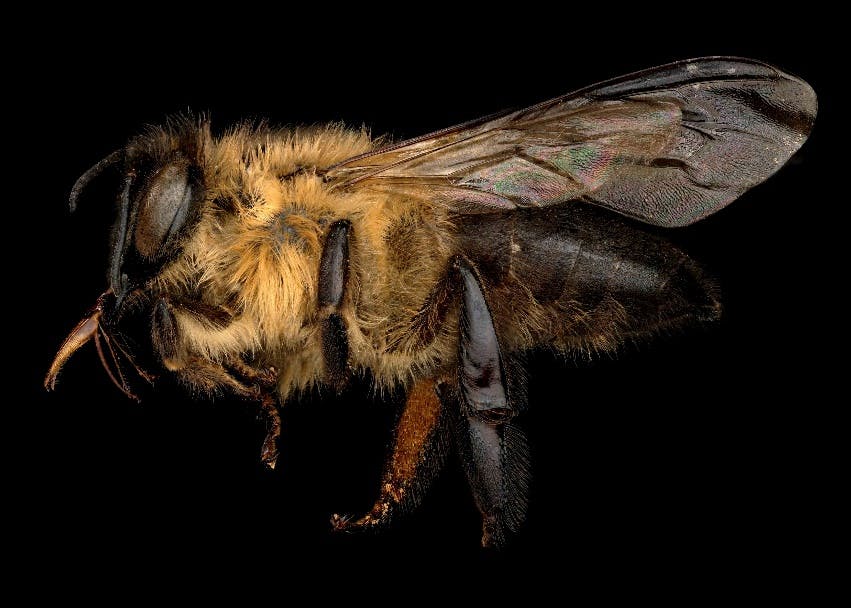
Apis laboriosa the bee that produces the Mad Honey is the largest bees. It measures about 1.2 inches and lives at approximately 4,000 to 12,000 feet above sea level.
Rarest Honey
Mad Honey is the rarest honey in the world. A 32 ounce bottle goes for about $300 in the U.S.
1300 B.C.
“Mad Honey” has been used as medicine in Nepal since 1300 B.C. It is said to be useful for respitory issues, as an antiseptic and an aphrodesiac.