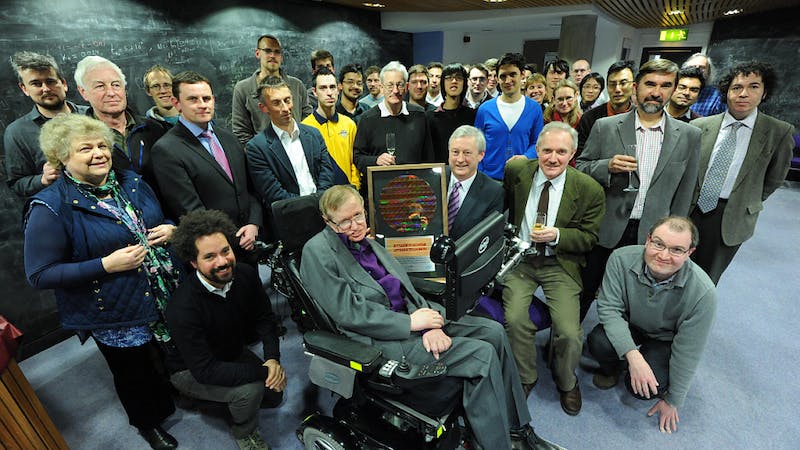
Back in 2009, the ever-curious and fun-loving physicist Stephen Hawking decided to throw a one-of-a-kind bash at the University of Cambridge. This wasn’t your ordinary party; it was designed especially for time travelers. Hawking’s playful experiment showcased his creative side. It also gave everyone a chance to think about the possibilities and challenges of time travel.
The Invitation After the Party
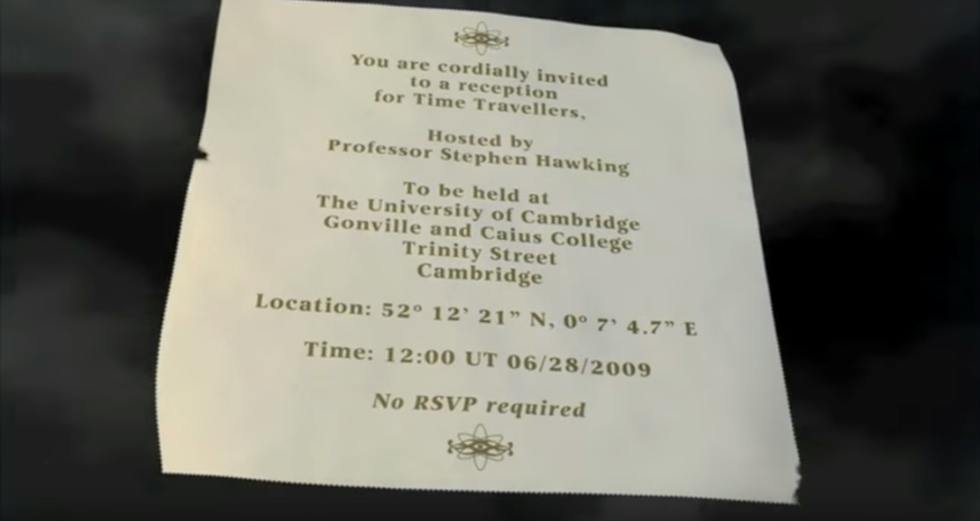
Imagine receiving an invitation that says, “You are cordially invited to a reception for Time Travellers.” Sounds like a blast, right? Well, Hawking had a cheeky trick up his sleeve: he revealed the invitation on his TV show, “Into the Universe with Stephen Hawking,” after the party had ended. The idea was that the invite would be around for ages and eventually reach a time where time travel was possible. He thought that a time traveler would watch the show in the future, and pop back to join the festivities.
During the show, Hawking eagerly awaited his guests, even joking about a “future Miss Universe” making a grand entrance. But as it turned out, no time travelers came to his shindig. The champagne went unopened, and the dance floor remained empty.
No Shows for Time Travelers
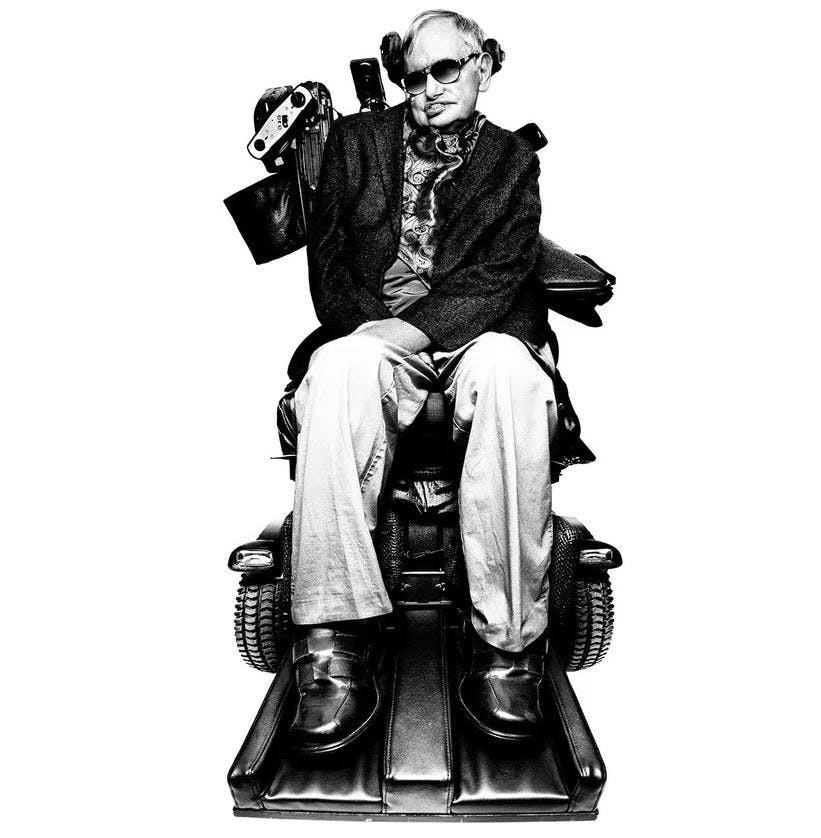
While it’s a bummer that no time travelers showed up, their absence raises some interesting questions. Is time travel impossible, or is there another reason for the no-shows? In a later interview, Hawking mentioned that time travel might actually wreck “space-time itself”. If that’s the case, it’s probably a good thing that no one RSVP’d “yes” to his time-traveling soiree.
Hawking’s experiment serves as a fun reminder of the complexities of time travel. Even if it were possible, it might come with some serious risks. No time travelers attending his party. This could mean that future humans have realized the dangers and decided not to mess with the space-time continuum.
Playful and Imaginative Mind
Beyond the science, Hawking’s time traveler party is a testament to his playful personality and love for life. He didn’t let physical challenges hold him back from exploring the universe or having a good time. This lighthearted experiment highlights his brilliant mind. It also highlights his ability to make complex ideas engaging and enjoyable for everyone.
So, Stephen Hawking’s party for time travelers was a super fun way to explore the enigma of time travel and show off the imaginative side of a world-class physicist. Even though the future folks didn’t make an appearance, the experiment still stands as a reminder of Hawking’s creative spirit and passion for understanding the unknown. As we keep contemplating the mysteries of time travel and the cosmos, the incredible legacy of Stephen Hawking’s adventurous spirit will continue to inspire generations of thinkers and party-goers alike.