
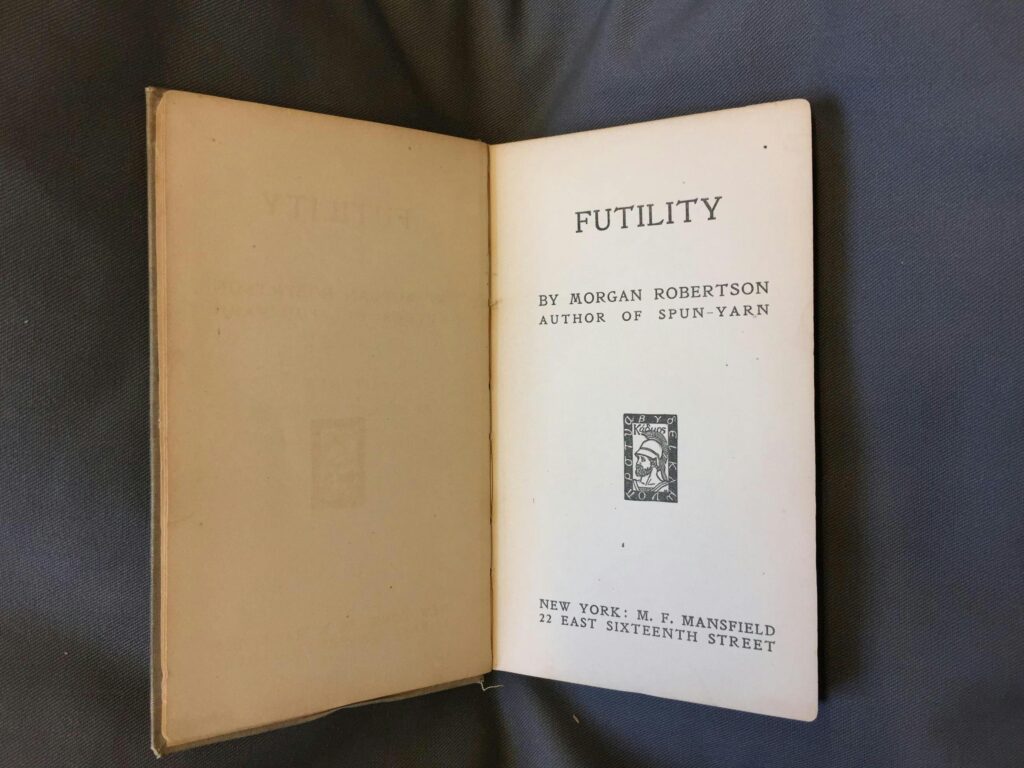
In 1898, American writer Morgan Robertson published a novella called Futility, which told the story of a massive British ocean liner called the Titan. The fictional vessel was considered unsinkable—until it struck an iceberg and sank in the North Atlantic, killing most of its 3,000 passengers due to a lack of lifeboats. This book predicted Titanic’s doom a full 14 years before it happened. Let’s dive into this crazy story.
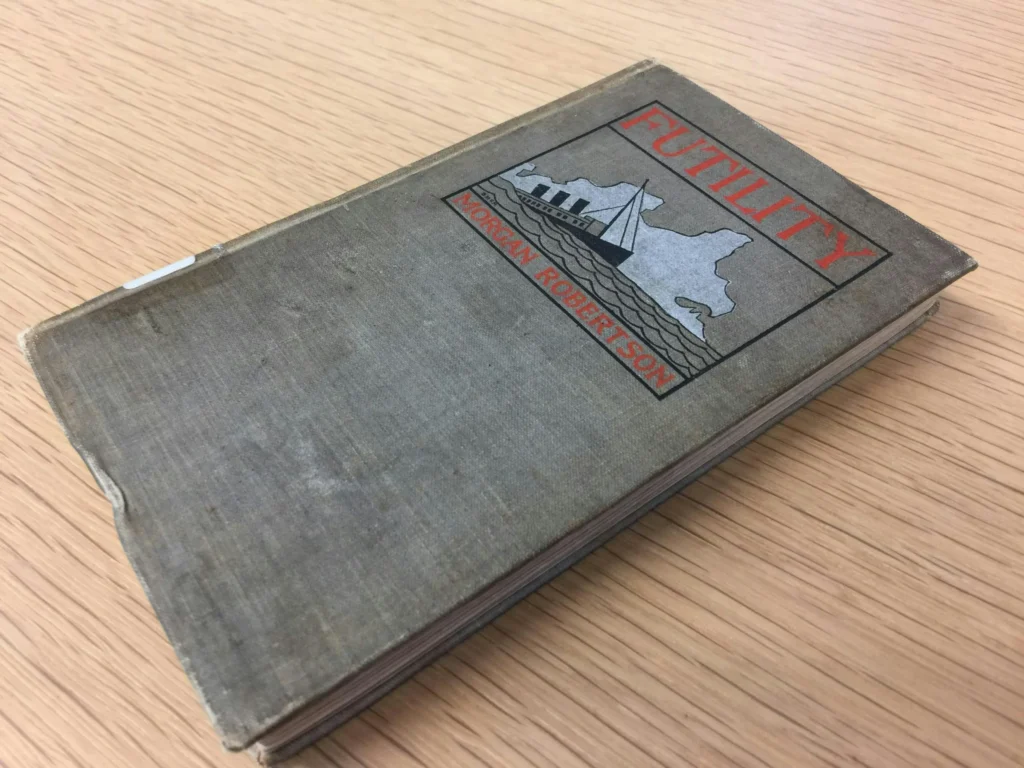
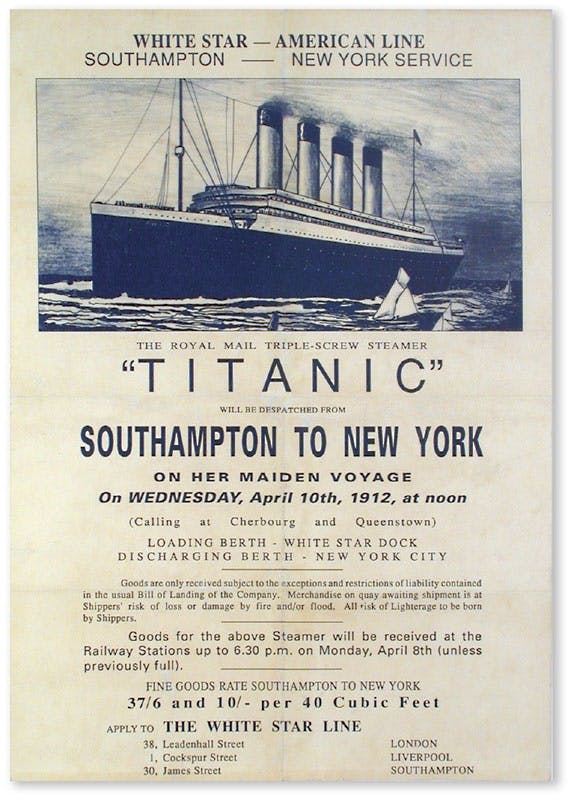
The premise sounds eerily familiar, right? That’s because 14 years later, the events of Robertson’s book played out in real life. The “unsinkable” RMS Titanic met a tragic fate under extremely similar circumstances, making Robertson seem clairvoyant.
But Was It Really Clairvoyance?
After the Titanic disaster of 1912, people credited Robertson with somehow predicting the future. But Robertson himself denied any psychic powers. He was simply knowledgeable about the shipbuilding industry and maritime trends.
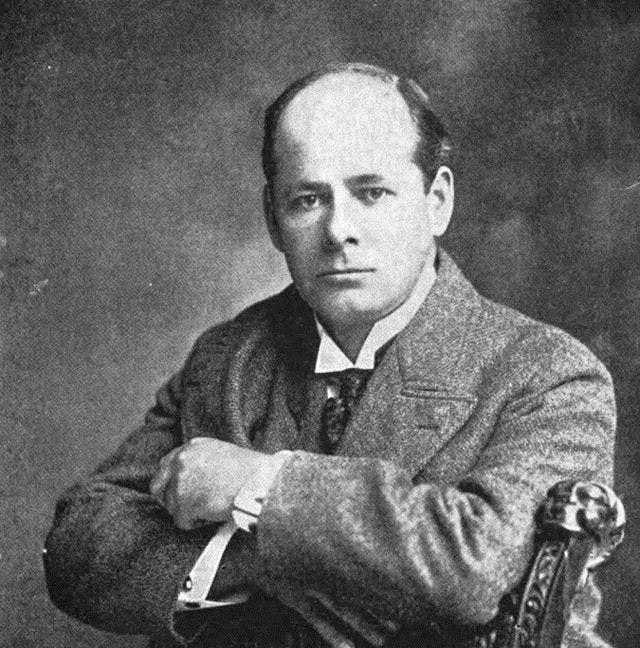
By following technological advances in ship design, Robertson realized that massive ocean liners were the way of the future. He deduced that the race for building bigger and faster ships could lead to hubris about their indestructibility. This gave him the idea for Futility; the book predicted Titanic’s doom.
Robertson’s Extensive Seafaring Experience
What allowed Robertson to so accurately envision the Titanic catastrophe was his hands-on experience working at sea. He spent a full decade aboard various American merchant vessels, getting first-hand knowledge of how ships operated. He saw how the maritime industry was evolving in the late 19th century toward larger luxury liners.
After leaving life at sea, Robertson pursued writing fiction. He authored several titles about maritime adventures, underscoring his ongoing interest in ships and seafaring culture. This lent authenticity to the nautical details in Futility.
Uncanny Similarities Between Fact and Fiction
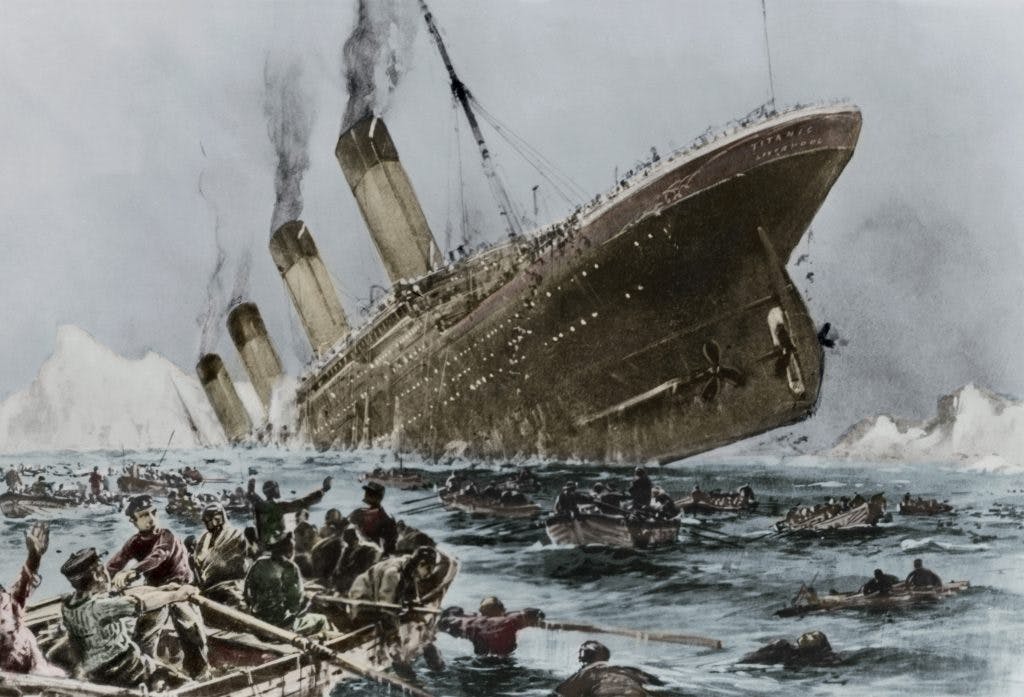
Robertson’s fictional Titan was the largest ship of its day, touted as unsinkable, and carried far too few lifeboats for its 3,000 passengers. In April 1912, the real RMS Titanic set sail with nearly identical specifications and weaknesses.
Below is a comparison of some key attributes of the Titan and Titanic:
- Length: 800 ft (Titan), 882 ft (Titanic)
- Top Speed: 25 knots (Titan), 22.5 knots (Titanic)
- Lifeboat Capacity: 500 people (Titan), 1,178 people (Titanic)
- Passengers: 3,000 (Titan), 2,224 (Titanic)
- Month of Sinking: April (both)
- Time of Sinking: Around Midnight (both)
- Cause of Sinking: Collision with iceberg on Starboard side (both)
- Survivors: 13 (Titan), 705 (Titanic)
Beyond these similarities, the Titan also sank on a starry night after hitting the iceberg along its starboard side. Futility even featured a shipboard conspiracy and cover-up around the collision, just like some Titanic conspiracy theories.
Success After a Disaster
When news broke of the real Titanic tragedy, Robertson republished his book as The Wreck of the Titan, capitalizing on the notoriety. The reprint outsold the original release.

While profiting from a disaster may seem distasteful, Robertson’s literary prescience was remarkable. He possessed an uncanny ability to imagine how the quest for lavish ships could end in catastrophe. Or was it just a lucky guess? We’ll never know for sure.
Robertson’s life after writing Futility remained somewhat mysterious. He died in 1915, just three years after the Titanic sank. One can only imagine how eerie he must have found the parallels between his fiction and the real-life events that stunned the world. But he took advantage of the serendipity by reissuing his previously overlooked book for a new audience.
While Robertson denied being a fortune teller, his insights did prove prophetic. He will be remembered for one of literature’s strangest predictions—even if it was simply a case of art imitating life before life had a chance to imitate art.
“She was the largest craft afloat and the greatest of the works of men. In her construction and maintenance were involved every science, profession, and trade known to civilisation. On her bridge were officers, who, besides being the pick of the Royal Navy, had passed rigid examinations in all studies … they were not only seamen, but scientists.Unsinkable – indestructible, she carried as few [life] boats as would satisfy the laws. In view of her absolute superiority to other craft … she would steam at full speed in fog, storm, and sunshine, and on the Northern Lane Route, winter and summer…”
Excerpt from Futility
📈😲Additional Facts
2.4 Miles Deep
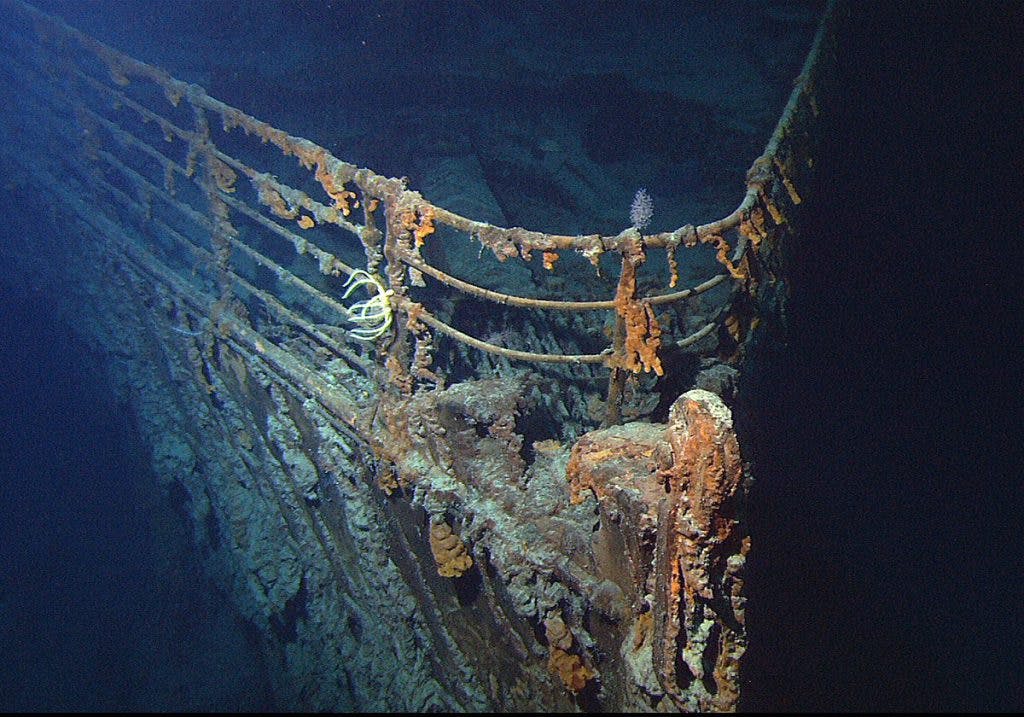
That is how deep the wreckage of the Titanic lies in the Atlantic Ocean. That is about 12,500 feet. Mount Fuji in Japan is 12,300 feet tall.
Luxury
The accommodation on Titanic was luxurious, with new attractions like squash courts and a swimming pool. Other amenities included Turkish Baths, Barber shop and a gym. Even third class cabins were nicer than on other ships. Though spectacular, more luxurious liners existed at the time.
3 Days
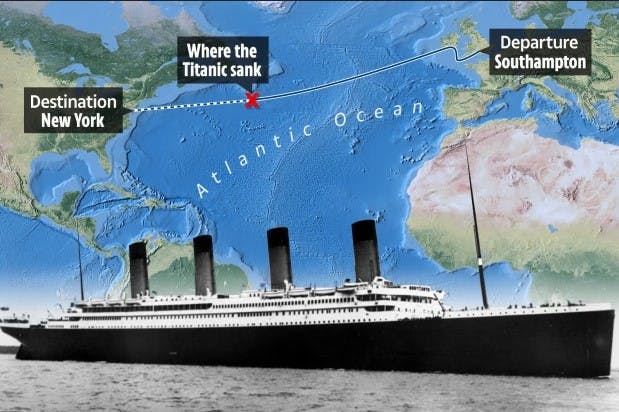
The Titanic was only three days away from New York, which was its destination from Southampton, England, on its maiden voyage.